
Business Insurance Claims in Canberra: What to Do After an Incident

An unexpected incident can disrupt even a well-run business. A customer may suffer an injury, a fire may damage equipment, a truck may be involved in an accident or a burst pipe may force a business to close temporarily. When something goes wrong, knowing how to manage an insurance claim can make the situation easier to handle.
For Canberra businesses, the first steps are to protect people, prevent further damage where safe, notify the appropriate parties and document what happened. Business owners should contact their insurer or follow the claims process specified in their policy as soon as reasonably possible, check the applicable notification requirements and keep supporting evidence.
Whether you have public liability insurance, professional indemnity, business property cover or commercial vehicle insurance, being prepared can help you provide the information needed to assess a claim and avoid preventable complications. It does not guarantee that a claim will be accepted, because the outcome depends on the policy wording and circumstances.
This guide explains what to do after a business incident, which documents to keep, common claim mistakes and how different industries can prepare for unexpected losses.
Why Business Insurance Claims Require Preparation
When an incident happens, business owners often have several priorities at once. They may need to assist an injured person, contact emergency services, arrange temporary repairs, inform customers and keep the business operating.
Insurance paperwork can easily become an afterthought. However, missing information, incomplete records or a misunderstanding of policy conditions can create additional work during the claims process.
Consider a small Canberra café that experiences water damage in its kitchen. The owner needs to make the premises safe, protect any unaffected stock, record the damage, arrange the appropriate inspections and establish which equipment or repairs have been affected. The business may also need to understand whether the incident has interrupted normal trading and whether its policy provides relevant cover.
A transport operator facing damage to a truck has different immediate concerns, but the principle is similar: preserve evidence, notify the insurer, follow instructions and maintain accurate records.
The Australian Government's guide to managing business insurance explains the importance of understanding policy conditions, reporting claims and providing supporting documentation.
Preparation matters before an incident as well. Keeping current policy documents, asset registers, purchase invoices, maintenance records and business financial information in an organised location can make the claims process more manageable.
Step 1: Make the Situation Safe and Control Further Damage
The first priority after an incident is the safety of employees, customers, contractors and members of the public.
If someone is seriously injured or there is an immediate threat to life, contact emergency services. For workplace incidents, follow the applicable workplace health and safety procedures and reporting requirements.
Once people are safe, take reasonable steps to prevent the situation from getting worse, provided it is safe to do so.
For example, a business experiencing a water leak may need to isolate the affected area or arrange urgent plumbing assistance. A warehouse with damaged roofing may need temporary weather protection. A vehicle involved in an accident may need recovery assistance and protection against further damage.
There is an important distinction between emergency measures and permanent repairs. Before arranging non-urgent repairs, disposing of damaged stock or authorising extensive work, check the policy and contact the insurer or claims team for instructions. An insurer may need to inspect the damage or arrange an assessor.
If immediate work is necessary to protect people or prevent further loss, keep photographs, invoices and records explaining why the work could not reasonably wait.
Do not put anyone at risk to collect photographs or preserve property. Safety comes first.
Step 2: Notify the Insurer and Check Your Policy
After addressing immediate safety concerns, notify the insurer according to the process set out in your policy. This may involve contacting the insurer directly, using its online claims portal or following an established process through your broker.
Do not assume that waiting until all evidence has been collected is always appropriate. Some policies contain specific notification requirements or deadlines, so check the wording promptly.
When reporting the incident, provide the basic facts:
- The date, time and location of the event.
- What happened and what was affected.
- Whether anyone was injured or another party is making a claim.
- What immediate steps have been taken.
- Whether the business is still operating normally.
- Whether emergency services, police or another authority have been contacted.
Be accurate and distinguish confirmed facts from information that is still being investigated. If you do not know the cause of the damage, explain that rather than guessing.
If another person alleges that your business caused an injury or loss, notify the insurer in accordance with the policy and forward relevant correspondence. Avoid admitting liability, agreeing to compensation or making commitments on the insurer's behalf without first obtaining appropriate guidance.
Why Early Notification Matters
Early notification gives the insurer an opportunity to explain the next steps, identify required evidence and advise whether an assessor or approved repairer is needed.
This does not mean every claim will be resolved quickly. Investigation may take time, particularly when liability is disputed, damage is extensive or important documents are missing.
For a Canberra insurance broker, helping a client understand the notification process and collect the required information can be an important part of navigating a claim. The insurer remains responsible for assessing the claim under the policy.
Step 3: Collect Evidence Before Details Are Lost
Good records help establish what happened, the extent of the loss and the costs being claimed.
Start with photographs or video footage, where safe and appropriate. Capture the affected area, damaged equipment, vehicles, stock and any visible circumstances relevant to the incident.
Keep original files where possible and make a backup. Record the date and location, and avoid editing original images in ways that might change their evidential value.
Depending on the incident, useful evidence may include:
Purchase and ownership records: Invoices, receipts, equipment registers and vehicle purchase documents may help establish ownership and value.
Repair and replacement estimates: Keep quotes, invoices, assessment reports and receipts for approved work.
Incident reports: Prepare a factual record noting the time, location, people involved, witnesses and immediate actions taken.
Maintenance records: These can help explain the condition of equipment or vehicles before an incident.
Business records: Sales reports, payroll summaries, accounts and other financial documents may be relevant to a business interruption claim.
Contracts and correspondence: Customer contracts, supplier agreements, emails and letters may help establish responsibilities and the nature of a third-party claim.
Police or authority references: Where an incident is reported to police or another authority, retain the relevant reference number and available reports.
Not every claim requires every document. The insurer will identify the evidence relevant to the particular policy and circumstances.
Keep a simple chronology showing when the incident occurred, when it was reported, whom you contacted and what actions were taken. It can be useful when several people are involved in managing the claim.
Step 4: Understand Which Policy May Respond
One incident can involve more than one type of insurance, while some losses may fall outside the protection provided by the policy.
Understanding the difference between policies helps business owners report the event accurately and ask the right questions.
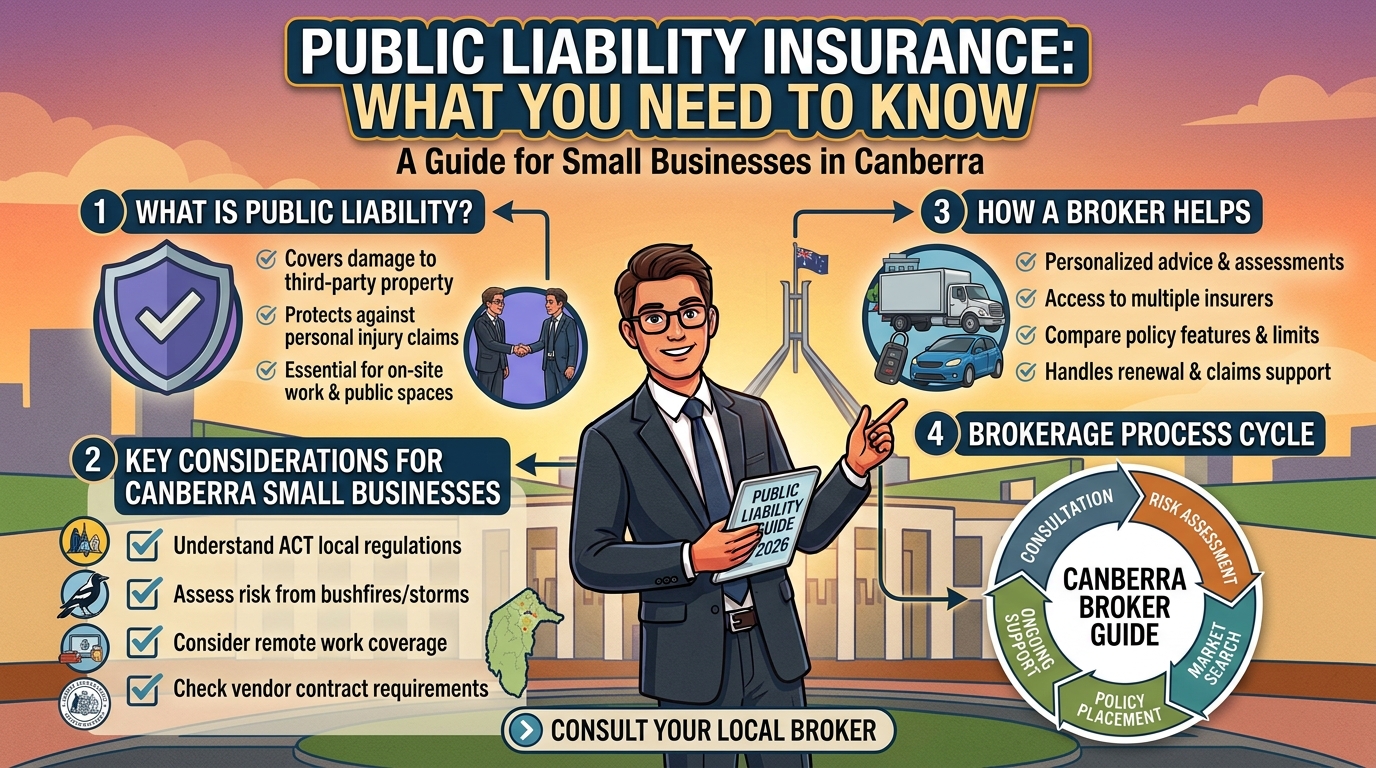
Public Liability Insurance Canberra
Public liability insurance is generally designed to respond to certain third-party injury or property damage claims arising from business activities, subject to the policy terms.
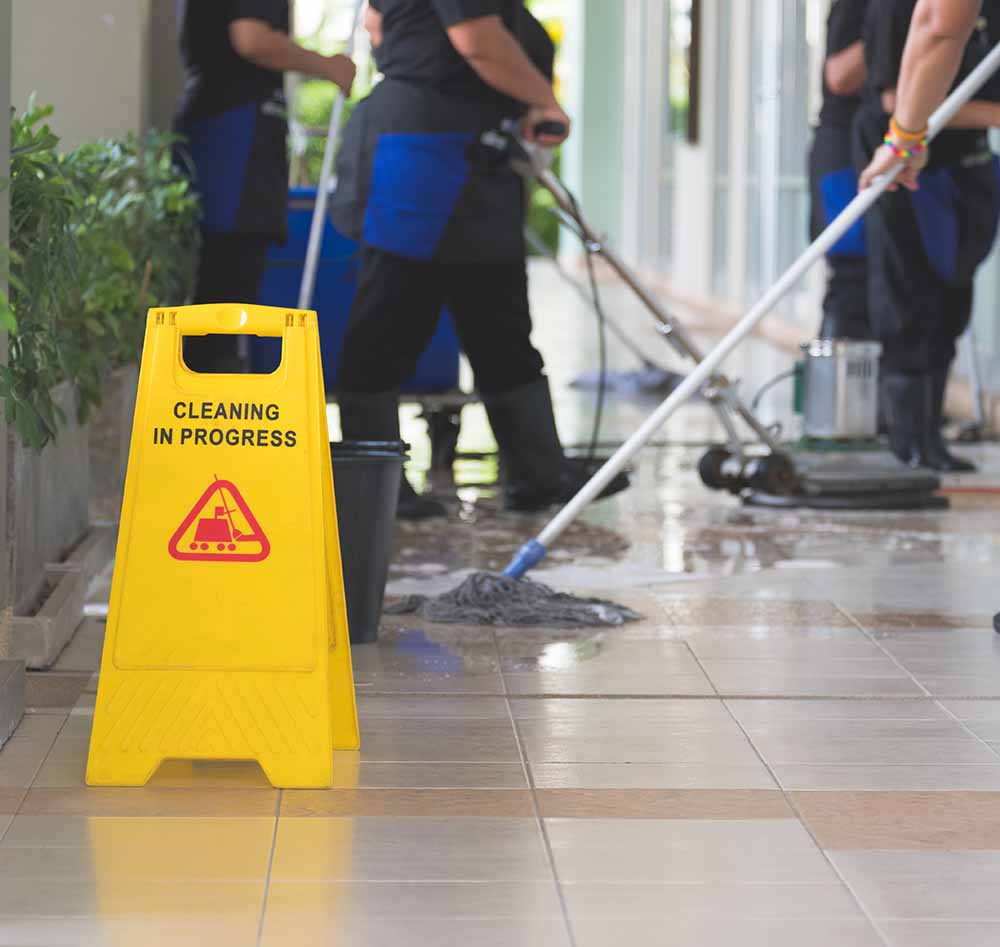
Suppose a visitor alleges that they were injured after slipping on a wet floor at a business premises. The owner should ensure the area is safe, record the incident, preserve relevant evidence and notify the insurer according to the policy.
The owner should avoid making assumptions about fault or promising to cover medical expenses before receiving appropriate guidance.
For businesses reviewing their existing arrangements, the Canberra Insurance Brokers public liability insurance page explains the general purpose of this cover and the importance of understanding exclusions.
Public Liability and Indemnity Insurance
Professional indemnity insurance addresses certain claims arising from professional advice or services that allegedly cause financial loss.
For example, a consultant may receive a letter alleging that an error in a report caused a client financial loss. The consultant should preserve the relevant report, engagement agreement, emails, instructions and other records, then notify the insurer promptly in accordance with the policy.
Professional indemnity policies are often written on a claims-made-and-notified basis. This means the timing of the claim and notification can be particularly important. The precise requirements depend on the policy, so review the wording and obtain guidance without delay.
Do not assume that public liability and professional indemnity cover respond to the same allegations. They address different risks.
Review the available professional indemnity insurance information to understand the type of protection being considered.
Business Property and Interruption Claims
A property claim may involve damage to a building, equipment, stock or business contents. A business interruption claim may involve eligible lost income or additional expenses resulting from an insured interruption.
These are separate questions from whether property damage occurred. The relevant policy must cover the event, and the business must meet the policy's requirements.
Business owners should ask which records are required to substantiate the amount claimed. Depending on the policy, these may include sales history, financial statements, payroll information, repair invoices and records showing the period of disruption.
Step 5: Prepare for Truck and Commercial Vehicle Claims
For businesses that depend on vehicles, time off the road can affect deliveries, customer commitments and cash flow.
A commercial vehicle claim may involve physical damage, theft, third-party liability or other insured events. The process depends on the policy and the circumstances of the incident.
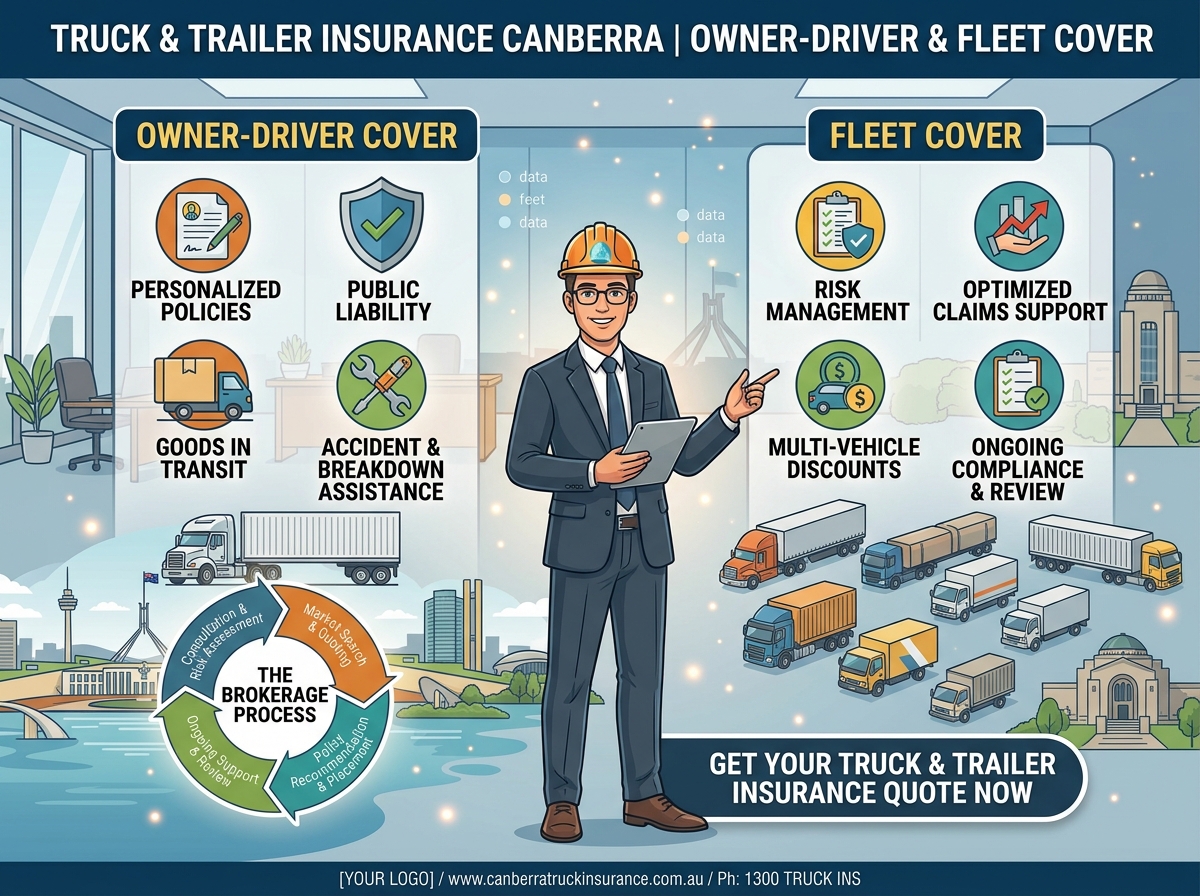
Truck Insurance Canberra
If a truck is involved in an accident, first ensure that people are safe and follow applicable reporting requirements. Arrange recovery or emergency assistance where necessary, then notify the insurer and follow its instructions.
Record the vehicle's registration, location, date and time of the incident, other parties' details and any available witness information. Photograph the damage and scene only where safe and lawful.
Do not arrange extensive non-emergency repairs without checking whether the insurer needs to inspect the vehicle or approve a repairer. Keep towing invoices, recovery costs, repair estimates and other relevant documents.
For transport businesses, accurate records of the vehicle's use, driver details, cargo and operating arrangements may also be important.
Commercial Automobile Insurance and Business Vehicle Insurance
A business vehicle claim may involve a van used for deliveries, a ute carrying tools or a car used to visit clients. The appropriate cover depends on the actual vehicle use and policy conditions.
If a vehicle carries tools or stock, remember that motor insurance should not automatically be assumed to cover every item inside it. Separate tools, equipment or goods in transit cover may be needed, depending on the circumstances.
Businesses should check the scope of their commercial automobile insurance, the applicable excess, driver restrictions and any conditions relating to vehicle security or use.
Canberra Insurance Brokers provides further information about transport insurance.
Keep Vehicle Records Up to Date
Maintain a file for each business vehicle with registration details, ownership or finance documents, maintenance records, driver arrangements and relevant insurance information.
Accurate vehicle records can help clarify details during a claim and make renewals easier.
Step 6: Food Businesses and Automotive Workshops Need Industry-Specific Records
Different industries require different evidence. Preparing the right records in advance can make it easier to explain the incident and establish the costs involved.
Insurance for a Food Business
A café, restaurant, takeaway outlet or mobile food operator may need to manage claims involving property damage, equipment failure, stock loss, customer allegations or business interruption.
For a food business, useful records may include:
- Equipment purchase invoices and maintenance histories.
- Stock records and relevant supplier invoices.
- Temperature logs or food safety records where relevant to the incident.
- Cleaning and inspection records.
- Staff rosters and sales reports.
- Photographs of damage and records of disposal where stock cannot be retained safely.
For example, if a refrigerator stops working and stock is affected, document the problem, the timeline, the affected items and the steps taken to protect food safety. Whether stock loss is covered depends on the type of event and policy wording.
Do not keep unsafe food merely to preserve evidence. Record the loss appropriately and follow applicable food safety requirements.
The ACT Government food business guide explains regulatory responsibilities for food operators in the Territory. Insurance and food safety compliance are related business considerations, but one does not replace the other.
Automotive Business Insurance
Automotive workshops may hold customer vehicles, tools, diagnostic equipment and spare parts. When an incident occurs, it is important to distinguish the business's own property from items belonging to customers.
Keep job cards, work authorisations, customer vehicle condition reports, photographs taken at intake, keys and custody records, and invoices for equipment or parts.
If a customer alleges that a vehicle was damaged during a repair, preserve the relevant service records and communications. Notify the insurer promptly and avoid making assumptions about the cause before the matter has been assessed.
Automotive business insurance arrangements may include specialised cover for customer vehicles or other risks, but coverage depends on the wording and selected options.
Step 7: Understand Claim Delays and Common Mistakes
Not every delay means the insurer has acted incorrectly. Some claims need further investigation, expert assessments, repair estimates or clarification of liability.
However, business owners can reduce avoidable administrative problems by keeping their records organised and responding to reasonable requests for information.
Common mistakes include:
Waiting too long to notify the insurer. Check notification requirements promptly rather than assuming there is plenty of time.
Making permanent repairs before seeking guidance. Emergency measures may be necessary, but the insurer may need evidence or an inspection before non-urgent work proceeds.
Providing incomplete information. Check dates, figures, invoices and descriptions for consistency. If information is unavailable, explain why.
Discarding damaged property too early. Preserve damaged items where safe and practical until the insurer provides guidance. If disposal is necessary for safety or compliance, document the condition and reason.
Assuming every cost is insured. Emergency expenses, lost income, replacement stock, towing and repairs may be treated differently under different policies.
Ignoring policy excesses and limits. A claim can be affected by the excess, sub-limits, exclusions and the way a loss is valued.
Failing to keep a record of conversations. Note the date, contact person, reference number, advice received and agreed next steps.
Being organised cannot change the terms of a policy, but it helps make the facts and supporting evidence clearer.
Step 8: What If an Insurance Claim Is Delayed or Declined?
If you disagree with a claim decision or believe that a delay needs to be addressed, start by reviewing the insurer's written explanation and the relevant policy wording.
Identify the specific issue. Is the dispute about whether the event is covered, the value of the loss, the application of an exclusion, the excess, the evidence required or the time taken to reach a decision?
Gather the relevant policy documents, claim reference, correspondence, reports and any additional evidence that may clarify the issue.
If the matter remains unresolved, ask the insurer about its formal internal dispute resolution process and make a clear written complaint. Explain what you disagree with, why and what outcome you are seeking.
The Insurance Council of Australia's complaints guidance explains the internal complaint process and the option of referring eligible disputes to the Australian Financial Complaints Authority (AFCA).
AFCA can assist with certain complaints against member financial firms, including some small business insurance disputes. Eligibility depends on the product, type of dispute and AFCA's rules. Some commercial liability and professional indemnity disputes fall outside the scope of its small business insurance jurisdiction, so check the relevant eligibility guidance before proceeding.
You can review AFCA's insurance complaint information for further details.
Where a claim involves a complex legal dispute, consider obtaining independent legal advice.
A Simple Business Insurance Claims Checklist
Keep this checklist available so the person responsible for managing an incident knows what to do.
- Protect people: Address immediate dangers and contact emergency services where necessary.
- Prevent further damage: Take reasonable safety measures and follow relevant professional advice.
- Notify the insurer: Follow the policy's reporting process and notification requirements.
- Document the incident: Record the date, location, people involved and what happened.
- Preserve evidence: Take photographs and keep invoices, reports, contracts and other records.
- Follow instructions: Ask before arranging non-emergency repairs, replacing damaged items or disposing of property.
- Track expenses: Keep receipts and record costs associated with the incident.
- Maintain communication records: Save claim references, emails and notes of conversations.
- Review the outcome: If you disagree with a decision, request the reasons and use the appropriate complaint process.
Businesses should adapt this checklist to their own operations. A transport company may need additional vehicle recovery and driver reporting procedures, while a food operator may need specific food safety and stock management steps.
Frequently Asked Questions
How soon should I lodge a business insurance claim?
Notify the insurer as soon as reasonably possible and check your policy for specific time limits or notification requirements. Early contact allows the insurer to explain the process and identify any immediate evidence or assessment requirements.
What documents are needed for a business insurance claim?
Depending on the claim, documents may include photographs, incident reports, invoices, proof of ownership, repair estimates, maintenance records, contracts, witness details and financial statements. The insurer will advise which records are relevant to the particular loss.
Can I repair damaged business property before an insurer inspects it?
Emergency work may be necessary to protect people or prevent further damage. Before non-urgent repairs, contact the insurer and check its requirements. Keep photographs, invoices and records of any work completed.
What should I do if a public liability claim is made against my business?
Follow the notification process in your policy, preserve relevant documents and forward correspondence to the insurer. Do not admit liability or agree to a settlement without appropriate guidance. The insurer will assess the matter under the applicable policy terms.
What if my professional indemnity policy is about to expire?
Review the policy's notification requirements immediately and seek guidance from the insurer or broker if a claim or circumstance may need to be notified. Timing is especially important for policies written on a claims-made-and-notified basis.
Can a business insurance broker help with a claim?
A broker may help explain the claims process, clarify policy information, assist with communication and identify documents that may be needed, depending on the services agreed. The insurer remains responsible for assessing the claim, and assistance does not guarantee a particular outcome.
Prepare Today for Greater Confidence Tomorrow
An insurance claim is easier to manage when a business knows where its policy documents are stored, who is responsible for reporting incidents and how relevant evidence will be preserved.
For businesses in Canberra, preparation should be tailored to the risks of the operation. A food business may need reliable equipment and stock records. An automotive workshop may need detailed customer vehicle records. A transport operator should keep accurate fleet and driver information. Professional service providers should retain relevant engagement agreements, advice and correspondence.
Reviewing these records before an incident occurs can save time when the business is already under pressure. It is also a useful opportunity to check whether the existing insurance arrangements still reflect the way the business operates.
Canberra Insurance Brokers provides information and insurance options for businesses across Canberra and the ACT. To discuss business insurance, public liability, professional indemnity or commercial vehicle requirements, visit Canberra Insurance Brokers or call 1300 069 570.
Important information: This article provides general information only and does not take account of your objectives, financial situation or needs. Claim acceptance and settlement depend on the policy wording, circumstances, evidence and applicable requirements. Read your policy documents and seek appropriate advice about your particular situation.
Author: Canberra Insurance Brokers Editorial Team
Last updated: 26 October 2026












Get in Touch With Us
Have questions about insurance? Our experienced brokers are here to help you find the right coverage.