
What Insurance Does Your Canberra Business Need? A Guide to Public Liability, Indemnity and Commercial Vehicles

Running a business means making decisions every day, from managing customers and staff to keeping equipment, stock and vehicles moving. Insurance is one of those decisions that can be easy to put off until a contract requires proof of cover or an unexpected incident puts pressure on the business.
For Canberra businesses, the right insurance often depends on the work being carried out, the people affected by those activities and the assets that need protection. A café in Braddon, a mechanic in Fyshwick, a construction contractor in Belconnen and a transport operator servicing the ACT all face different risks.
The right starting point is to identify your business risks and match them to suitable insurance policies. Public liability insurance may help with covered claims involving injury to third parties or damage to their property. Professional indemnity insurance addresses certain claims arising from professional advice or services. Business insurance can also include cover for buildings, contents, stock, interruption to operations and commercial vehicles, depending on the policy selected.
Working with a Canberra insurance broker can help you understand these differences, compare available options and identify potential gaps before choosing a policy.
This guide explains the main insurance considerations for local businesses, including food operators, automotive workshops, tradespeople, truck owners and businesses using vehicles for work.
Why Business Insurance Matters for Canberra Businesses
No two businesses operate in exactly the same way. Their insurance requirements can change according to their industry, turnover, premises, contracts, equipment, employees and the activities they perform.
For example, a consultant working from an office may be more concerned about allegations arising from professional advice, while a restaurant owner needs to consider customers visiting the premises, food products, equipment and possible interruption to trading. A delivery company has additional exposure involving vehicles, drivers, cargo and goods in transit.
The ACT Government identifies public liability, workers compensation and third-party personal injury insurance among the common insurance considerations for businesses. Other potential requirements include professional indemnity, product liability, property, stock, revenue and cyber insurance.
You can read the ACT Government's guidance on protecting your business for further information.
The important point is that purchasing one policy does not automatically protect every part of an operation. A business owner should understand what each policy covers, where exclusions apply and whether separate protection is required.
1. Public Liability Insurance in Canberra: What Does It Cover?
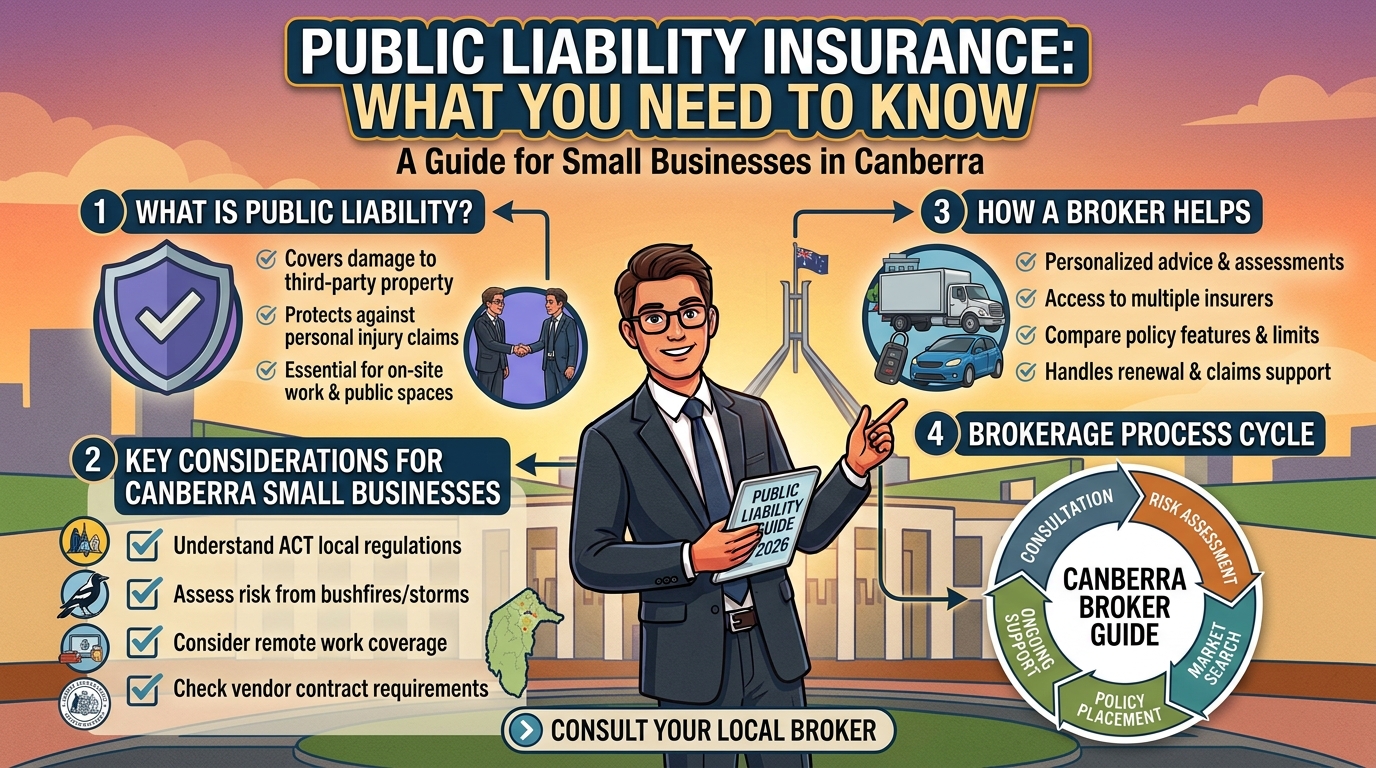
Public liability insurance is designed to respond to certain claims involving third-party injury or property damage arising from a business's activities, subject to the policy wording, limits, conditions and exclusions.
It is particularly relevant to businesses that deal with customers, contractors, suppliers or members of the public. Depending on the business, a claim could arise at a shop, workplace, client's property, event venue or job site.
Consider a few everyday situations:
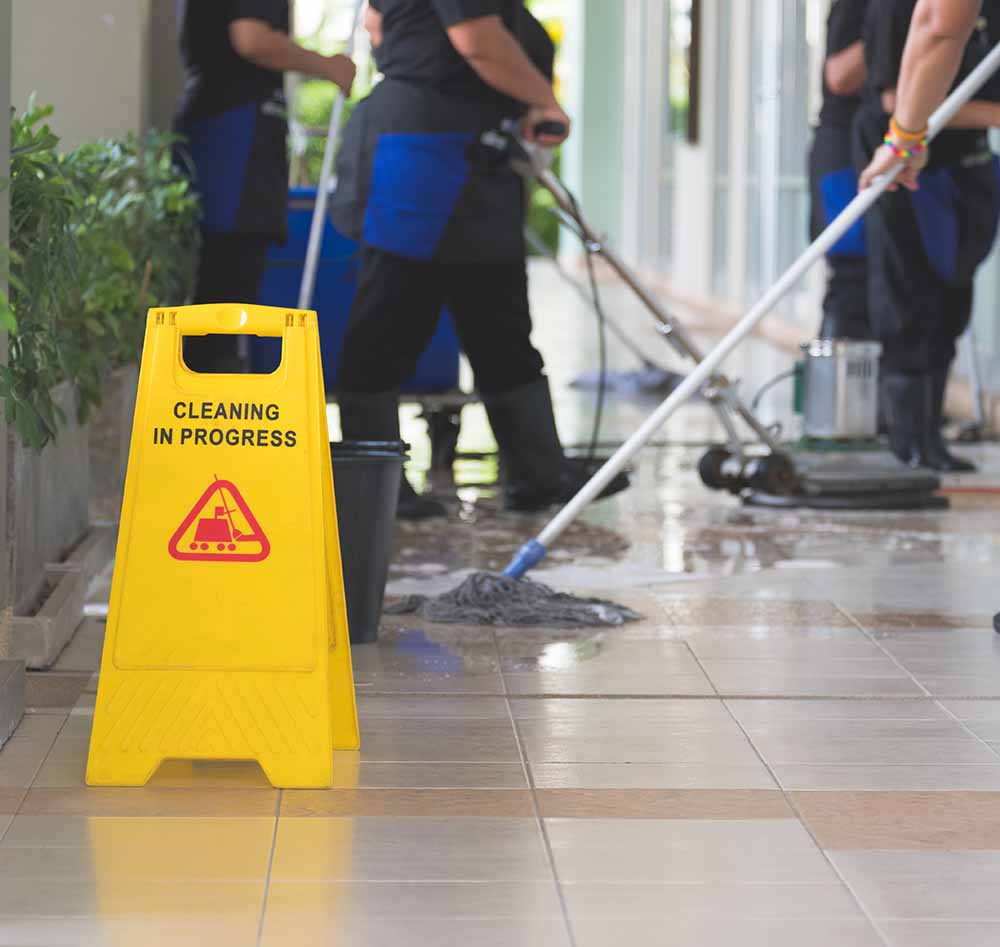
- A customer slips on a wet floor inside a retail shop and alleges that the business failed to maintain a safe environment.
- A tradesperson accidentally damages a client's property while carrying out a job.
- A business activity causes damage to a neighbouring property, and the affected party seeks compensation.
- A market stall operator is accused of causing an injury while setting up or operating at an event.
Whether a policy responds depends on the circumstances and the wording of the cover. Public liability insurance is not an automatic guarantee that every claim will be paid.
Who should consider public liability cover?
Businesses that regularly interact with the public or work at third-party premises should review their liability exposure. This can include:
- Builders, electricians, plumbers and other tradespeople.
- Retailers, cafés, restaurants and hospitality operators.
- Event suppliers, market stallholders and mobile service providers.
- Hairdressers, beauty businesses and some allied health operators.
- Contractors who need to provide a certificate of currency before starting work.
Some contracts, venues, professional bodies or licensing arrangements may specify insurance requirements. Certain industries and activities may also have legal obligations. The required cover and limit should be confirmed for the particular business rather than assumed.
If you are comparing public liability insurance in Canberra, review the activities listed on the policy, the limit of indemnity, excesses, exclusions and any conditions that apply to your work.
Canberra Insurance Brokers provides further information on its public liability insurance options.
2. Public Liability and Indemnity Insurance: Understanding the Difference
Public liability and professional indemnity insurance are often discussed together, but they address different types of risk. Choosing between them is not simply a matter of selecting the cheaper policy.
Public liability insurance
Public liability generally relates to covered claims for third-party injury or property damage arising from business activities.
For example, a contractor accidentally damages a client's flooring while working at their premises. Depending on the circumstances and policy wording, public liability may be relevant to the resulting claim.
Professional indemnity insurance
Professional indemnity insurance is designed to address certain claims alleging that professional advice or services caused a client financial loss. Depending on the policy, this can include allegations involving professional negligence, errors, omissions or breaches of professional duty.
Imagine a consultant prepares a report that contains a significant error. The client relies on the report and later alleges that the mistake caused financial loss. Professional indemnity may be relevant to that allegation, subject to the policy terms.
Professional indemnity is particularly important to consider for consultants, architects, engineers, accountants, IT professionals, designers and other providers of specialist advice or services. Some professions have specific insurance requirements, so the relevant regulator or professional association should also be consulted.
Can a business need both?
Yes. A business can face both physical liability risks and claims arising from the advice or services it provides.
For instance, an engineering consultancy might need to consider professional indemnity for its technical work and public liability for relevant third-party injury or property damage exposures associated with site visits.
The distinction matters because one policy should not be assumed to cover risks intended for the other. Some exclusions, extensions and combined products vary between insurers.
When comparing public liability and indemnity insurance, ask the broker to explain which claims each policy is designed to address, whether the policies contain overlapping or different exclusions and what limits may be appropriate for your contracts and activities.
You can review the broker's professional indemnity insurance information alongside its public liability options.
3. Insurance for a Food Business in Canberra
Food businesses face a combination of customer, product, property, employee and operational risks. A small takeaway shop, a restaurant with outdoor dining, a catering company and a mobile food truck may need different insurance arrangements.
For anyone researching insurance for a food business in the ACT, it is important to understand that insurance is only one part of operating legally. Food registration, safety requirements, permits and other obligations also apply according to the activities being undertaken.
The ACT Government's guide to starting a food business outlines registration, food safety and other requirements. It also identifies mandatory insurance considerations, including workers compensation and public liability.
Public and product liability
Public liability may be relevant if a customer or another third party alleges injury or property damage arising from the business's activities.
Product liability is also important to review for businesses that prepare, manufacture, sell or supply food. A claim might involve an allegation that a food product caused illness or injury. Whether a combined public and products liability policy covers a particular event depends on the policy wording and circumstances.
Food businesses should explain their actual operations when seeking a quote. This includes whether they prepare food on-site, manufacture products for other retailers, sell takeaway meals, provide catering services or operate a mobile food business.
Property and equipment
A food business may rely on refrigerators, freezers, ovens, cooking equipment, point-of-sale systems, furniture and stock. Damage to essential equipment can create costs beyond the immediate repair or replacement bill.
Property insurance may be worth reviewing for insured assets, while business interruption insurance may help with certain lost income or additional expenses following an insured interruption. The trigger for cover, waiting periods, indemnity period and exclusions need careful consideration.
For example, an insured event that damages a restaurant kitchen could prevent normal trading while repairs take place. The relevant property and business interruption policies would need to be checked to establish whether the damage and resulting interruption are covered.
Staff, vehicles and contracts
Employers should confirm their workers compensation obligations. Businesses using delivery vehicles should review commercial motor insurance, and caterers or market stallholders may be asked by venues and event organisers to provide evidence of liability cover.
An insurance review can bring these exposures together without assuming every business needs the same policy package.
Canberra Insurance Brokers outlines relevant options on its business insurance page.
4. Automotive Business Insurance for Mechanics, Workshops and Dealers
An automotive business does more than repair vehicles. Depending on its services, it may store customers' cars, operate diagnostic equipment, sell parts, employ technicians, perform road tests or send staff to repair vehicles at other locations.
Automotive business insurance should reflect how the business actually operates.
A mechanic working from a fixed workshop has different exposures from a mobile mechanic, panel beater, tyre retailer, auto electrician, vehicle dealer or towing operator.
Cover to consider for an automotive business
Public liability: Consider relevant third-party injury and property damage exposures connected with workshop activities, customers visiting the premises or work carried out away from the workshop.
Property and contents: Review buildings, tools, diagnostic equipment, workshop machinery, office contents and other assets. Ownership, leasing arrangements and the value of equipment can affect the cover required.
Customer vehicles in your care: Tell the insurer if the business keeps, repairs, tests, moves or stores customer vehicles. Ordinary business property cover should not be assumed to insure customer vehicles held in the business's care, custody or control. Specific extensions or separate cover may be needed, subject to the insurer's terms.
Business interruption: Consider how the business would manage if insured damage made the workshop unusable or stopped essential equipment from operating.
Professional or technical services: If the business gives specialist advice, provides inspections or offers other professional services, discuss whether professional indemnity or another specialised cover is relevant to those activities.
Commercial motor insurance: Vehicles owned or used by the business need appropriate motor cover based on their use, type and value.
Why accurate business details matter
When requesting automotive business insurance, describe the services offered rather than simply identifying the business as a mechanic or workshop. Tell the broker whether vehicles are road-tested, whether work is performed at customer premises, what property is stored overnight and whether any specialist or high-value vehicles are handled.
These details can influence insurer eligibility, policy conditions and the protection available. They are also important when reviewing exclusions relating to faulty workmanship, defective parts, mechanical breakdown or property in the business's care.
A suitable policy should be assessed against the business's real exposures, not just its industry label.
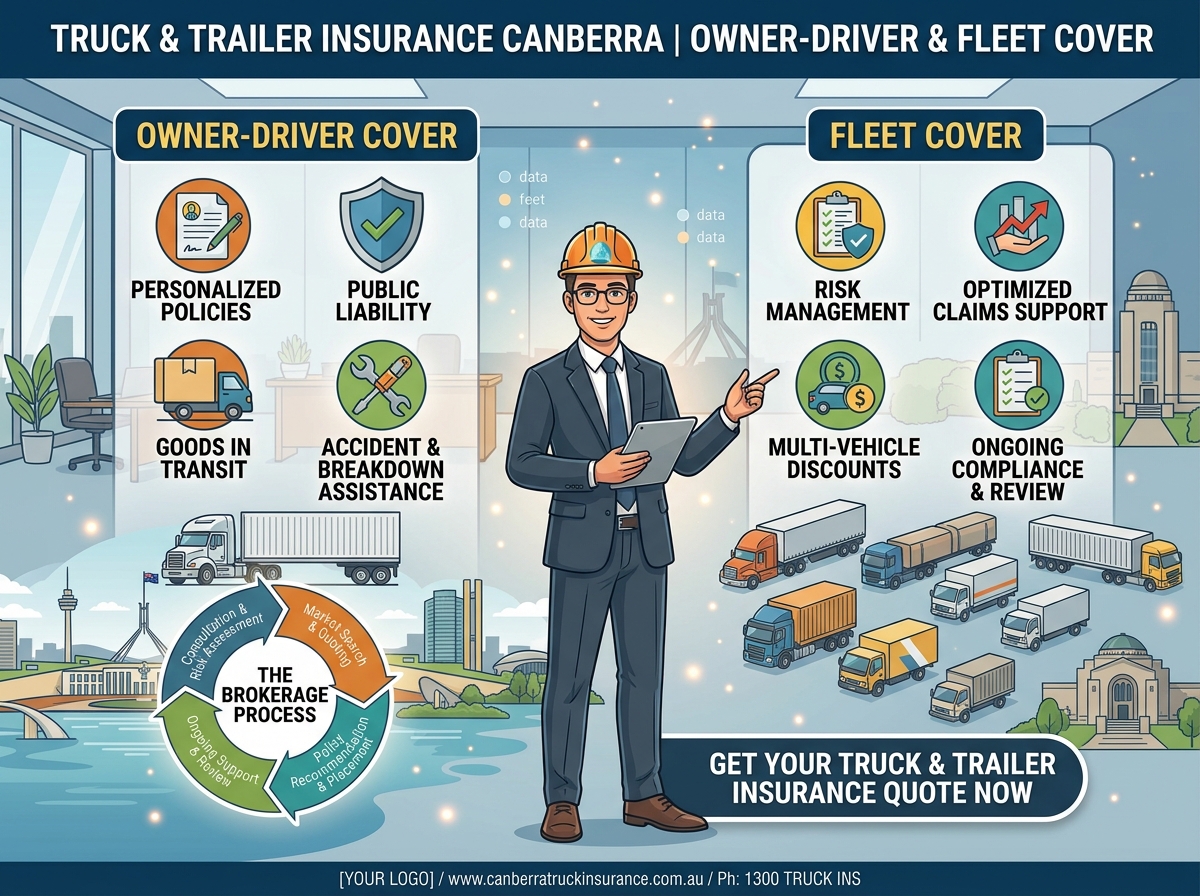
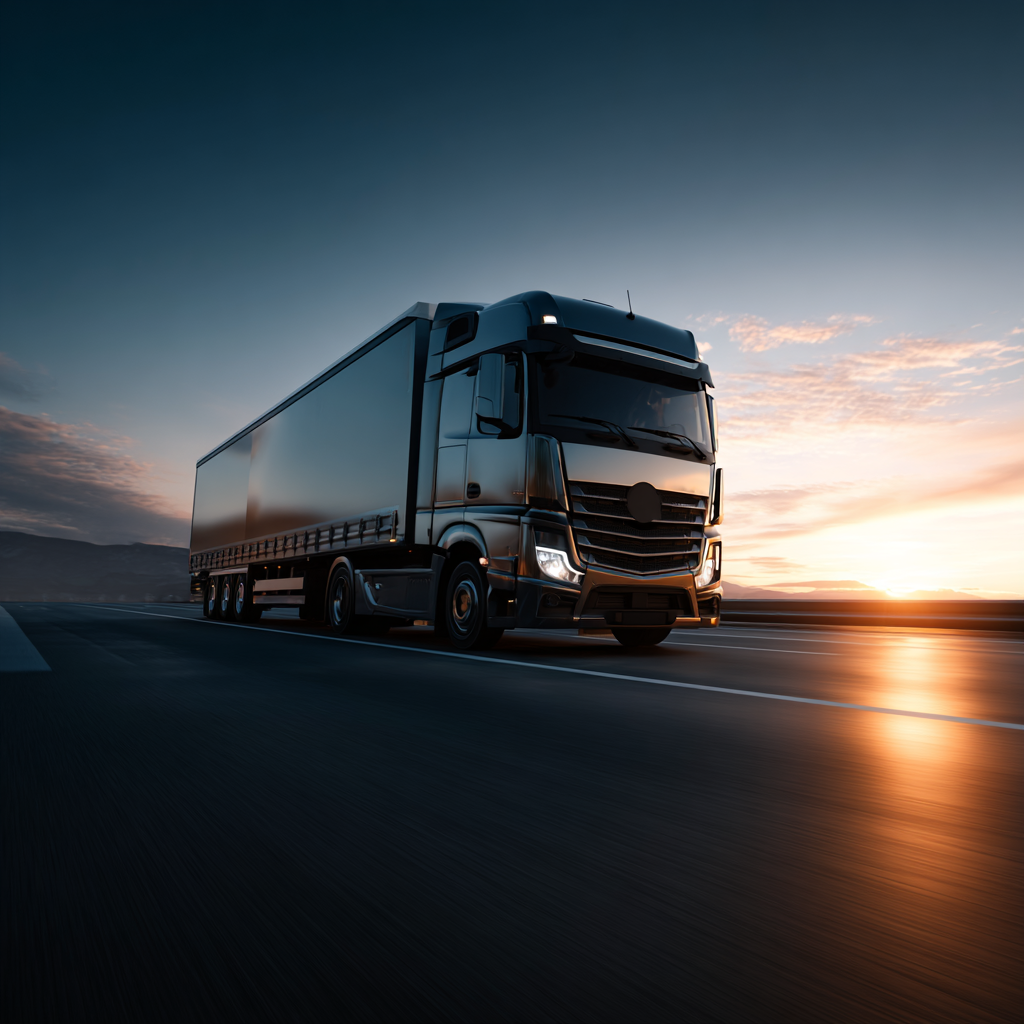
5. Truck Insurance in Canberra: Protecting Vehicles and Transport Operations
For owner-drivers, delivery companies, freight businesses and fleet operators, a truck is often central to generating revenue. An accident, theft or unexpected period off the road can affect both the vehicle and the ability to complete customer deliveries.
Truck insurance in Canberra should be considered in the context of the vehicle's type, use, operating area, load and transport activities.
Different transport operations may involve prime movers, tippers, refrigerated trucks, tow trucks, pantechs, flatbeds, curtainsiders, trailers or smaller commercial vehicles. Their requirements are not necessarily interchangeable.
What should truck operators review?
Accidental damage: Check whether the policy covers damage to the insured truck following an accident and what excess applies.
Theft and other insured events: Review the available cover for theft, fire, vandalism and specified weather-related events, including any security requirements or exclusions.
Third-party liability: Confirm what the motor policy covers for liability arising from vehicle use and how that differs from other business liability policies.
Trailers: A truck and trailer combination may require specific arrangements. Do not assume a policy covering the prime mover automatically provides the same protection for every trailer or trailer arrangement.
Goods in transit: Vehicle insurance does not automatically insure every load being transported. Businesses carrying customers' goods should ask whether separate goods in transit or cargo insurance is appropriate.
Fleet arrangements: Businesses operating several vehicles may be able to explore fleet insurance. Eligibility, coverage and pricing depend on the insurer and the fleet's circumstances.
Loading and unloading: Tell the broker whether staff load, unload, lift or handle goods as part of the operation. These activities can involve risks that need to be reviewed separately from ordinary road use.
Commercial automobile insurance and business vehicle insurance
Commercial automobile insurance is intended for vehicles used in business, while business vehicle insurance is the term many owners use when looking to insure a car, van, ute or other vehicle for work.
The correct policy depends on the vehicle's actual use. A vehicle used for deliveries, transporting tools, visiting customer sites or carrying goods may need cover that reflects those activities.
When comparing quotes, confirm that the insurer knows whether the vehicle is used privately as well as commercially, who drives it, where it travels and what it carries. Make sure the declared use matches the way the vehicle operates after the policy starts.
Canberra Insurance Brokers provides information about truck and trailer insurance in Canberra, including options for single vehicles, trailers and fleets.
6. Business and Auto Insurance: Why Separate Policies May Be Necessary
Business and auto insurance are related, but they are not interchangeable. A business package might address selected property and liability exposures, while commercial motor insurance is designed around the risks associated with covered vehicles.
Consider a plumbing company that owns two vans and stores tools at a rented workshop. The vans are used for travelling to customer properties, transporting equipment and collecting materials.
Its insurance review may include:
- Commercial motor cover for the vans.
- Public liability for relevant third-party injury or property damage claims arising from its work.
- Tools and equipment insurance for covered business assets.
- Business contents or property insurance where applicable.
- Workers compensation where the business has employees.
- Professional indemnity if the nature of its services makes that cover relevant.
This is an illustrative example, not a recommendation that every plumbing business needs the same policies. The appropriate arrangement depends on its contracts, operations and exposures.
The key is to identify which policy responds to which risk. A motor policy may cover an insured accident involving a van, but it should not be assumed to cover tools stolen from the van in every circumstance. Public liability may address certain claims brought by third parties, but it is not a substitute for insurance covering the business's own property.
Business owners should also check policy excesses, sub-limits, exclusions and any conditions relating to vehicle security or approved drivers.
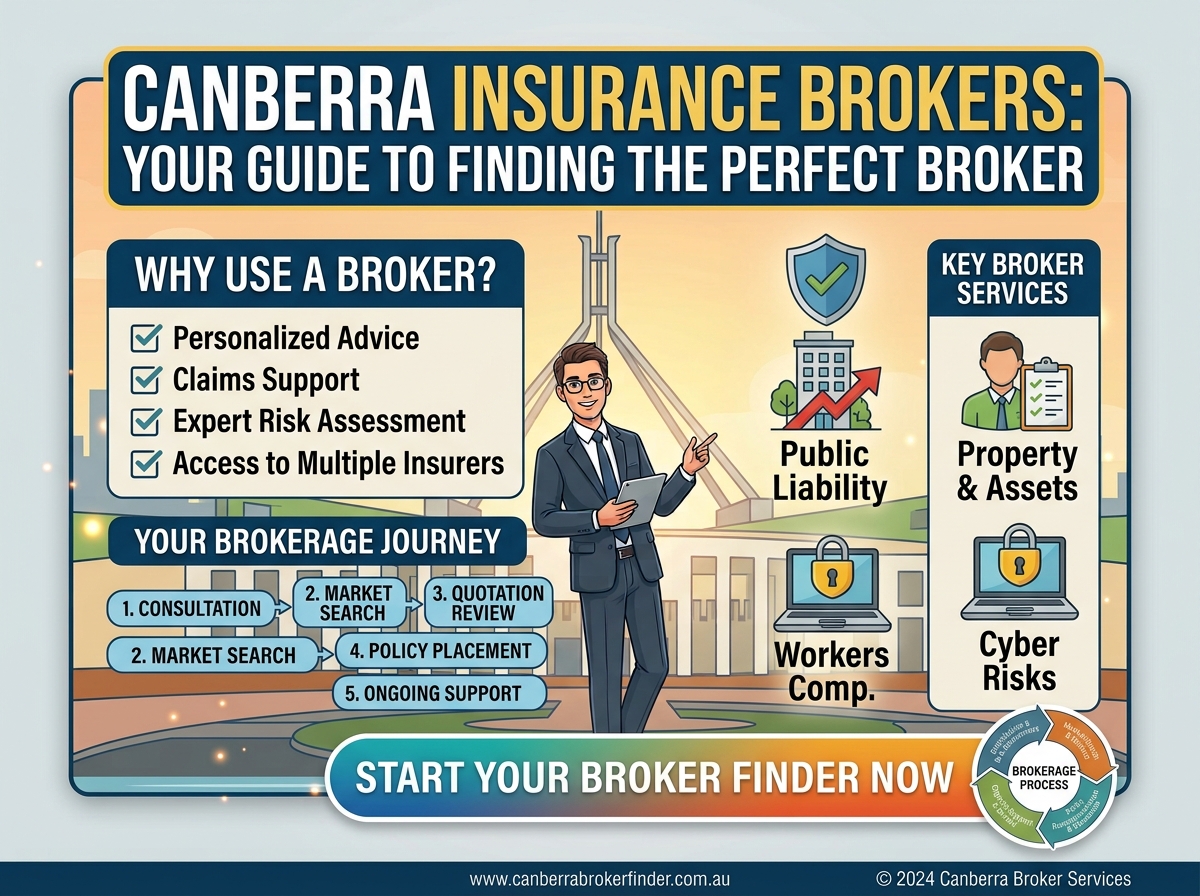
7. What Does a Business Insurance Broker in Canberra Help With?
Insurance terminology can make it difficult to compare policies on a like-for-like basis. Two quotes with similar premiums may differ in their limits, exclusions, excesses, included benefits or conditions.
A business insurance broker in Canberra can help you organise your requirements, explain differences between available options and identify questions that need to be resolved before cover is arranged.
That process should begin with understanding the business, not simply collecting a list of policy names.
Prepare the right information
Before requesting a quote or reviewing a renewal, gather the details that describe your current operations. Depending on the business, these could include:
- Business activities, annual turnover and locations.
- The type of customers served and contracts undertaken.
- Employee numbers and relevant subcontracting arrangements.
- Property, equipment, stock and estimated replacement values.
- Details of vehicles, drivers, usage, trailers and transport routes.
- Previous claims and any known circumstances that may lead to a claim.
- Existing policies, current limits, excesses and requested contract conditions.
For vehicle operators, include details about cargo, driving patterns and the areas in which vehicles are used. For food businesses, explain preparation, storage, delivery and catering activities. For professional services, identify the advice or services supplied to clients.
Accurate information helps insurers assess the risk and determine the terms on which they may offer cover.
Compare the details, not just the premium
Price matters, particularly for small businesses managing regular expenses. However, the lowest premium is not necessarily the best fit if it comes with material exclusions, unsuitable limits or conditions that are difficult to meet.
Ask what is covered, what is not covered, how excesses work and whether the policy responds to the activities you actually perform. You should also understand how to report a claim and what documents may be required.
For more information about business cover, visit Canberra Insurance Brokers or use the contact page to discuss your requirements.
8. Common Insurance Mistakes to Avoid
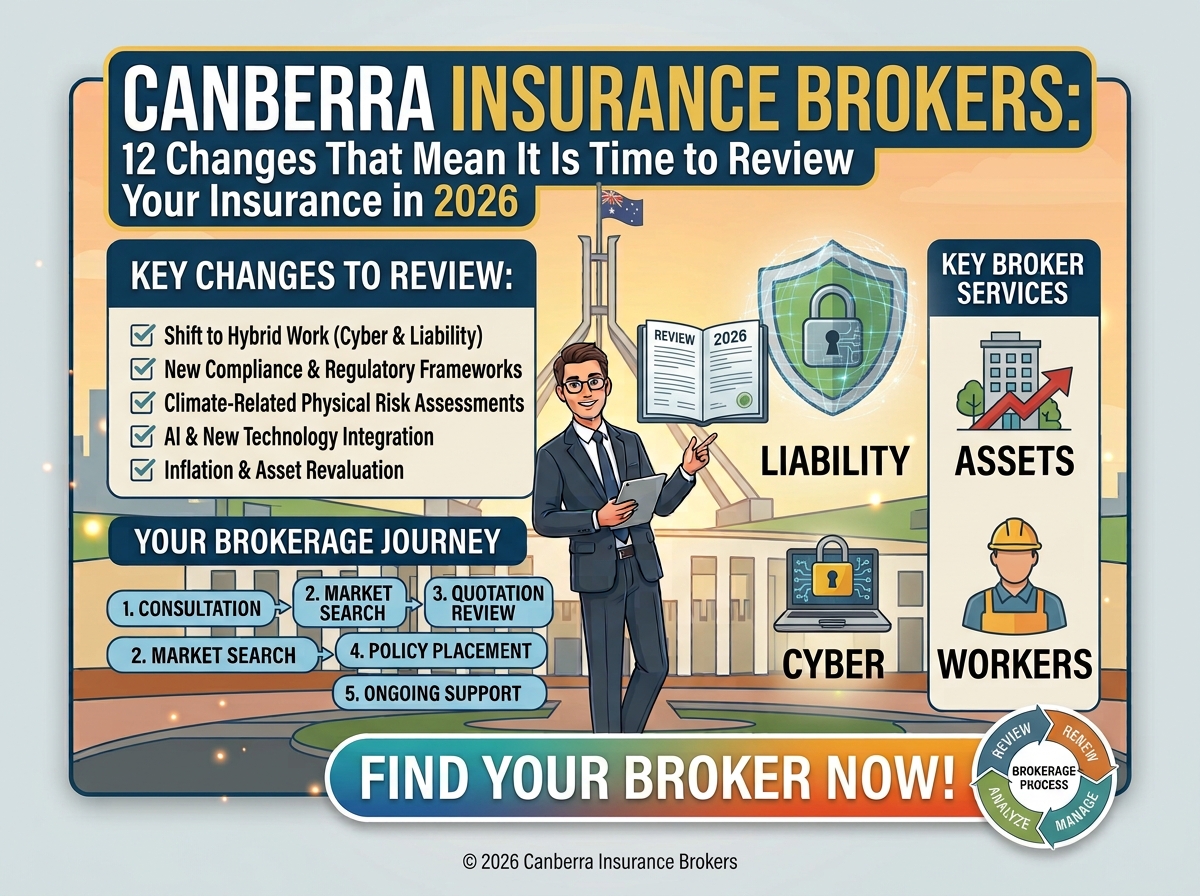
Even businesses that already hold insurance can benefit from reviewing their arrangements. Some of the most common gaps arise when the business changes but its policy details remain the same.
Assuming one policy covers every risk
Public liability, professional indemnity, commercial motor, property and business interruption serve different purposes. Review the boundaries between your policies so that important risks are not left unaddressed.
Forgetting to report changes
Buying another vehicle, increasing the number of employees, moving premises, offering a new service or beginning interstate operations may affect insurance requirements. Notify your insurer or broker about material changes and confirm whether adjustments are needed.
Underestimating replacement values
The cost of replacing equipment, stock and business assets can change over time. Review declared values and policy limits to avoid relying on outdated estimates.
Ignoring exclusions and conditions
A policy may cover certain events but exclude others. Pay close attention to exclusions that relate directly to your work, along with warranties, security conditions, waiting periods and excesses.
Treating renewal as an automatic process
A renewal is an opportunity to reassess the business's current risks. Check whether your revenue, vehicle use, contracts, staffing, equipment and locations have changed since the previous period.
Regular reviews help keep the insurance discussion aligned with the way the business now operates.
Frequently Asked Questions
What insurance does a small business in Canberra need?
It depends on the business activities and applicable legal or contractual requirements. Public liability, workers compensation, third-party personal injury cover for motor vehicles, property, professional indemnity and business interruption are among the policies a business may need to consider. A broker can help identify relevant options, but the final selection should reflect the business's circumstances.
Is public liability insurance compulsory in Canberra?
Requirements depend on the industry, activity, licence, contract or venue involved. Some businesses may be required to hold public liability insurance, and customers or event organisers may also make it a contractual condition. Check the specific obligations that apply to your business rather than assuming one rule applies to everyone.
What is the difference between public liability and professional indemnity insurance?
Public liability generally addresses covered claims involving third-party injury or property damage arising from business activities. Professional indemnity addresses certain claims alleging financial loss arising from professional advice or services. Some businesses may need both because they face both types of risk.
Does business vehicle insurance cover personal use?
That depends on the policy and how the vehicle's use has been declared. If a vehicle is used both privately and commercially, tell the insurer and confirm how each use is covered. Do not assume a policy automatically permits every type of business or personal use.
What insurance should a food business in the ACT consider?
Food businesses should confirm the applicable ACT requirements, including relevant public liability and workers compensation obligations. Depending on their operations, they may also need to consider product liability, property, equipment, business interruption, commercial motor and goods in transit insurance. Requirements vary between restaurants, takeaways, caterers, manufacturers and mobile food operators.
How do I compare truck insurance quotes?
Compare the insured vehicle, permitted use, coverage limits, excesses, exclusions, trailer arrangements, theft conditions and relevant liability cover. If goods are transported, ask whether goods in transit protection is required. Fleet operators should also check how vehicles can be added or removed and what conditions apply to drivers.
How much does business insurance cost in Canberra?
There is no single price for every business. Premiums can depend on factors such as industry, turnover, claims history, property values, vehicle type, location, selected limits, excesses and the cover required. Comparing policy details alongside price helps establish whether the options are suitable for the business.
Protect Your Canberra Business With the Right Cover
Insurance is most useful when it reflects the actual risks a business faces. For some businesses, public liability may be the main concern. Others may need professional indemnity, product liability, commercial motor, truck insurance, property protection or a combination of policies.
Food businesses should confirm their ACT obligations and consider the risks associated with customers, products, premises and equipment. Automotive businesses should explain how they handle customer vehicles and carry out repairs. Transport operators should make sure their vehicle, trailer, driver and cargo requirements are properly understood.
A careful review can help you identify gaps, understand exclusions and compare options with greater confidence.
Canberra Insurance Brokers helps businesses review insurance options suited to their operations. To discuss your requirements, call 1300 069 570 or visit canberrainsurancebrokers.com.au.
Important information
This article is general information only and does not take account of your objectives, financial situation or needs. Insurance cover, eligibility, conditions and exclusions vary by insurer and policy. Read the relevant Product Disclosure Statement and policy wording, and consider whether the product is appropriate for your circumstances before making a decision.
Author and review
Written by the Canberra Insurance Brokers editorial team. Last updated: 21 October 2026.









Get in Touch With Us
Have questions about insurance? Our experienced brokers are here to help you find the right coverage.